System Architecture
Colectif - Multi-System Business Architecture
Designed and implemented a modular business architecture connecting Apollo, HubSpot, Monday, Shopify, Zoho Books, Airtable, Zest, and Softr into three operational engines.
Systems Architect / Automation Engineer

Business summary
- Designed a multi-system architecture across 8 integrated business tools.
- Separated sales, revenue, and delivery into independent operational engines.
- Eliminated system overlap and improved operational clarity across teams.
- Built structured data flow between CRM, billing, and fulfillment systems.
What I built
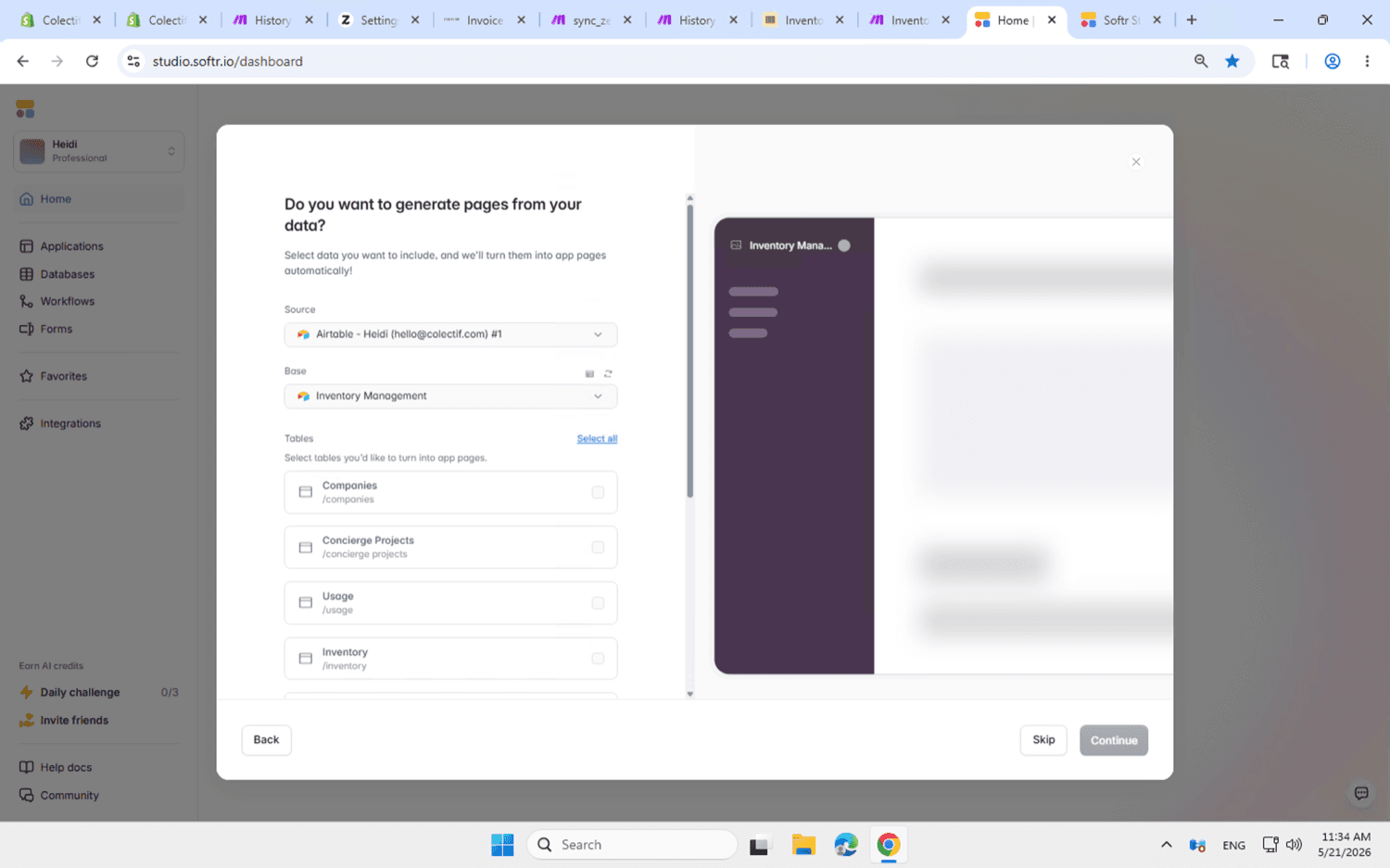
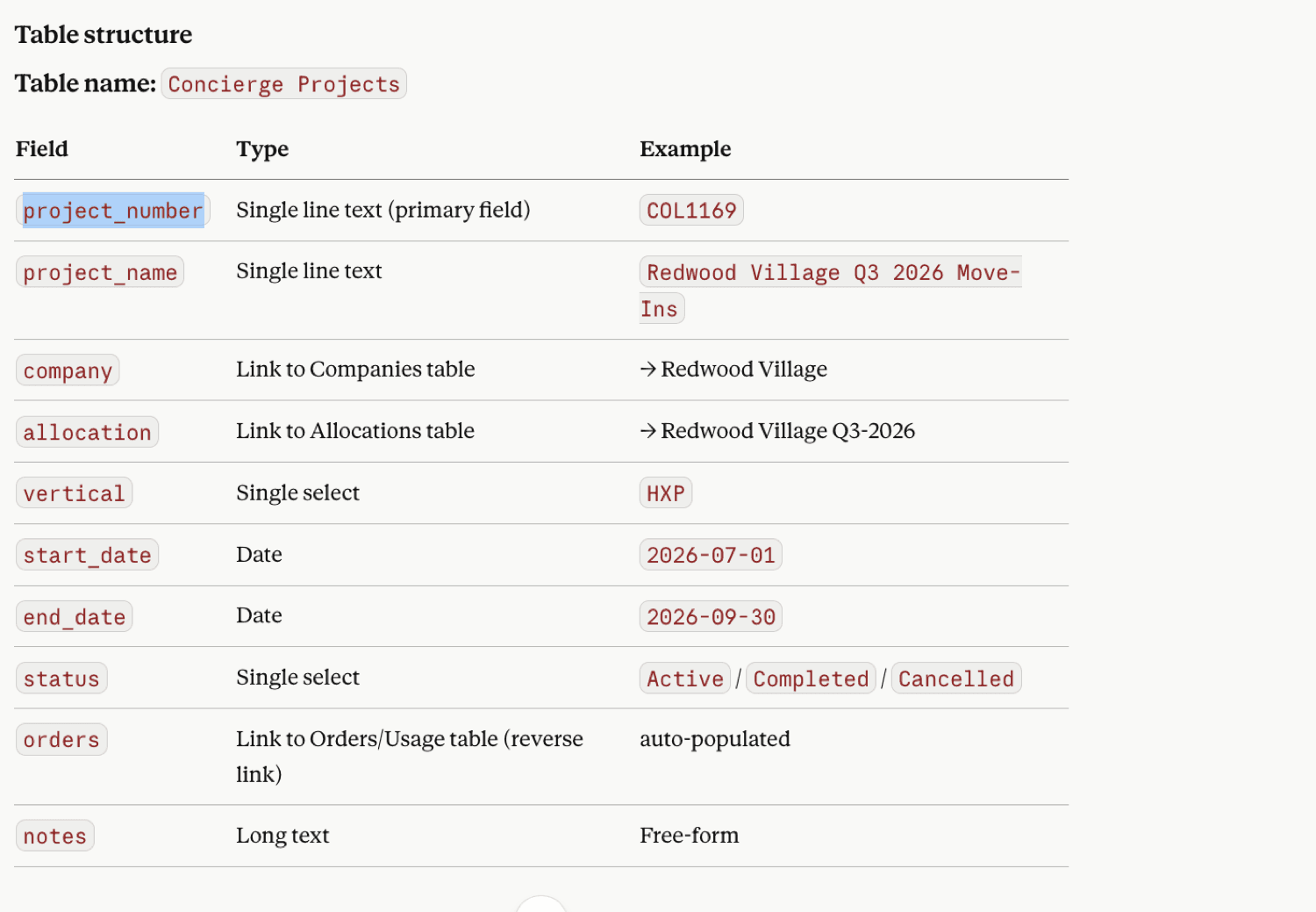
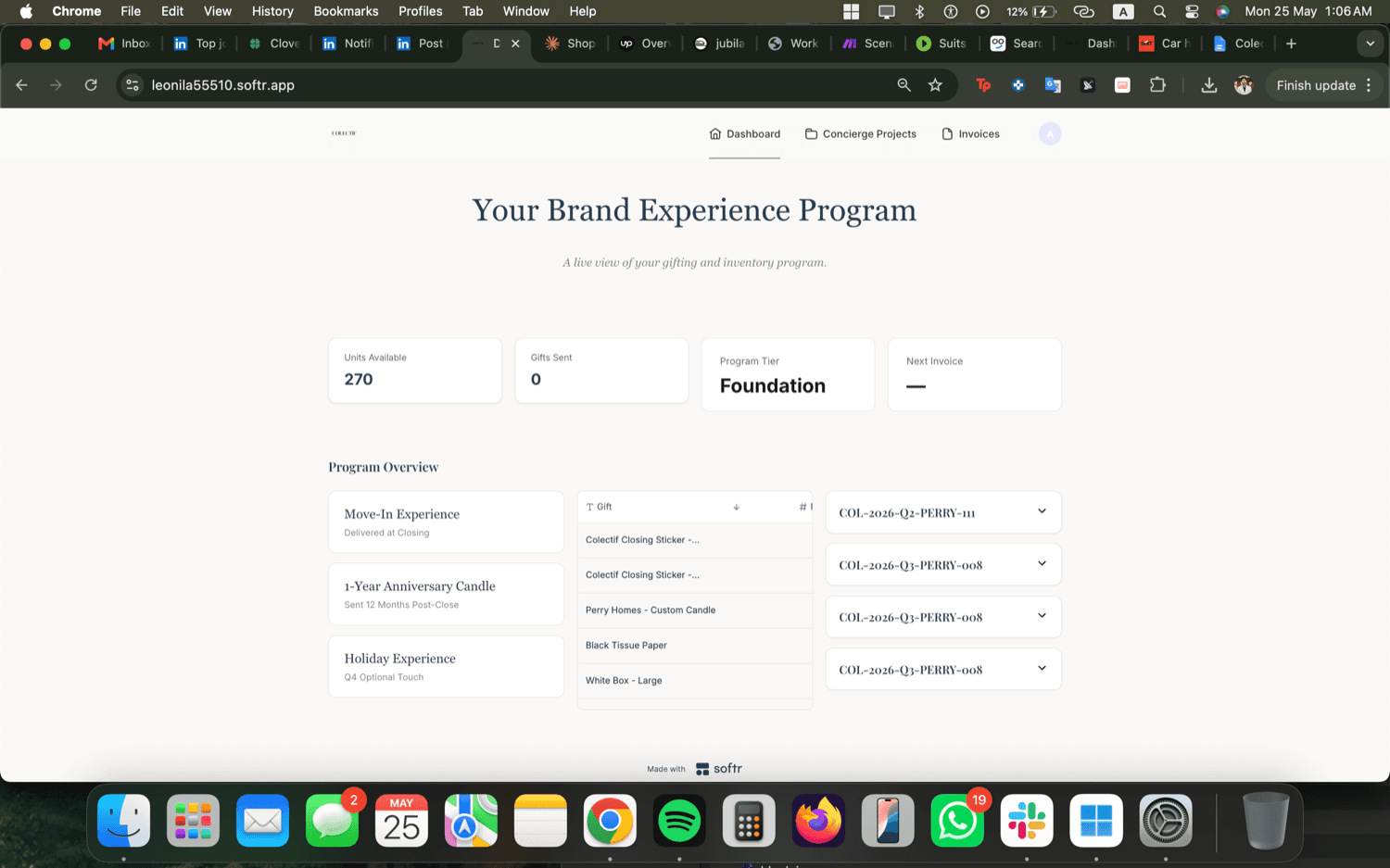
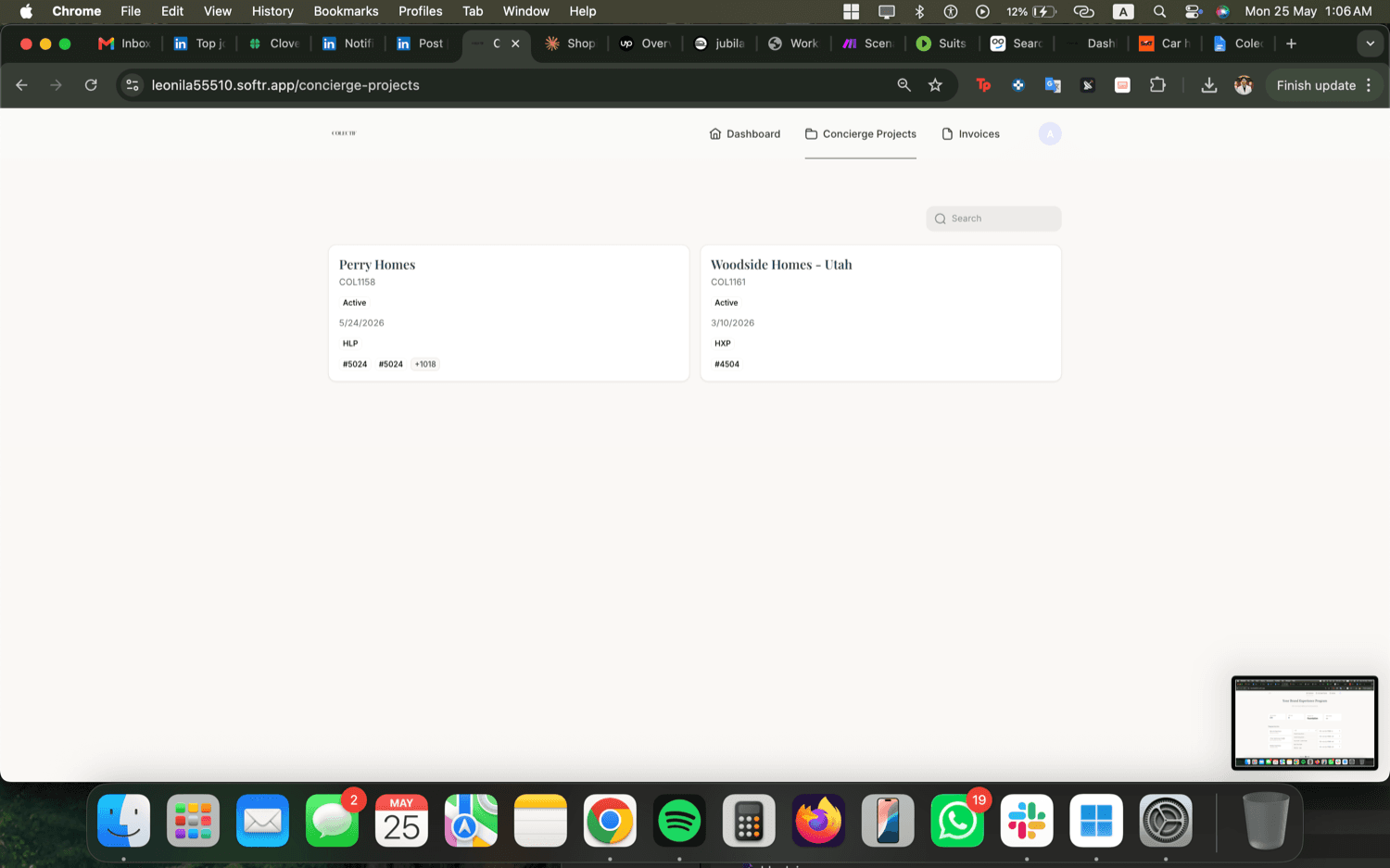
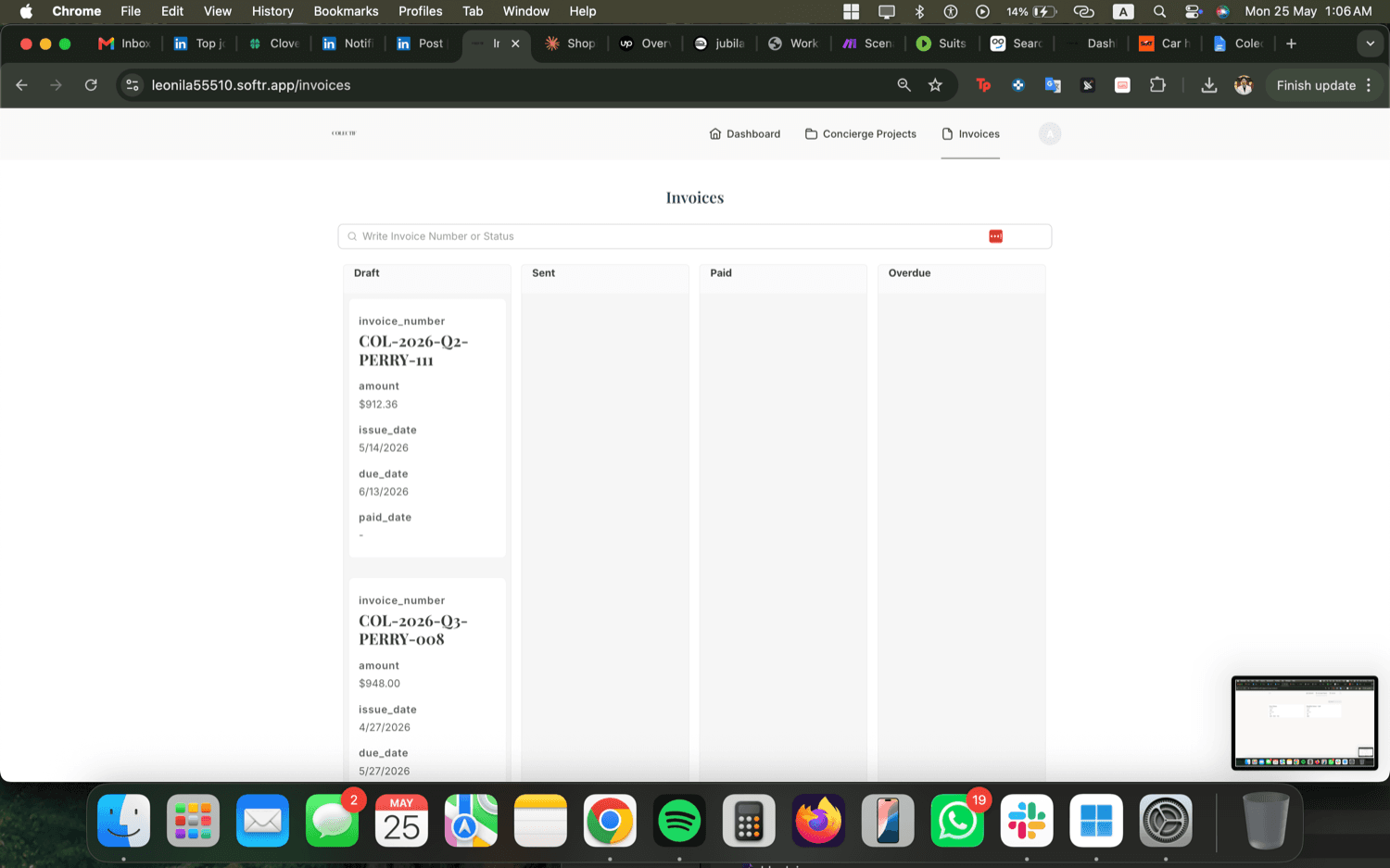
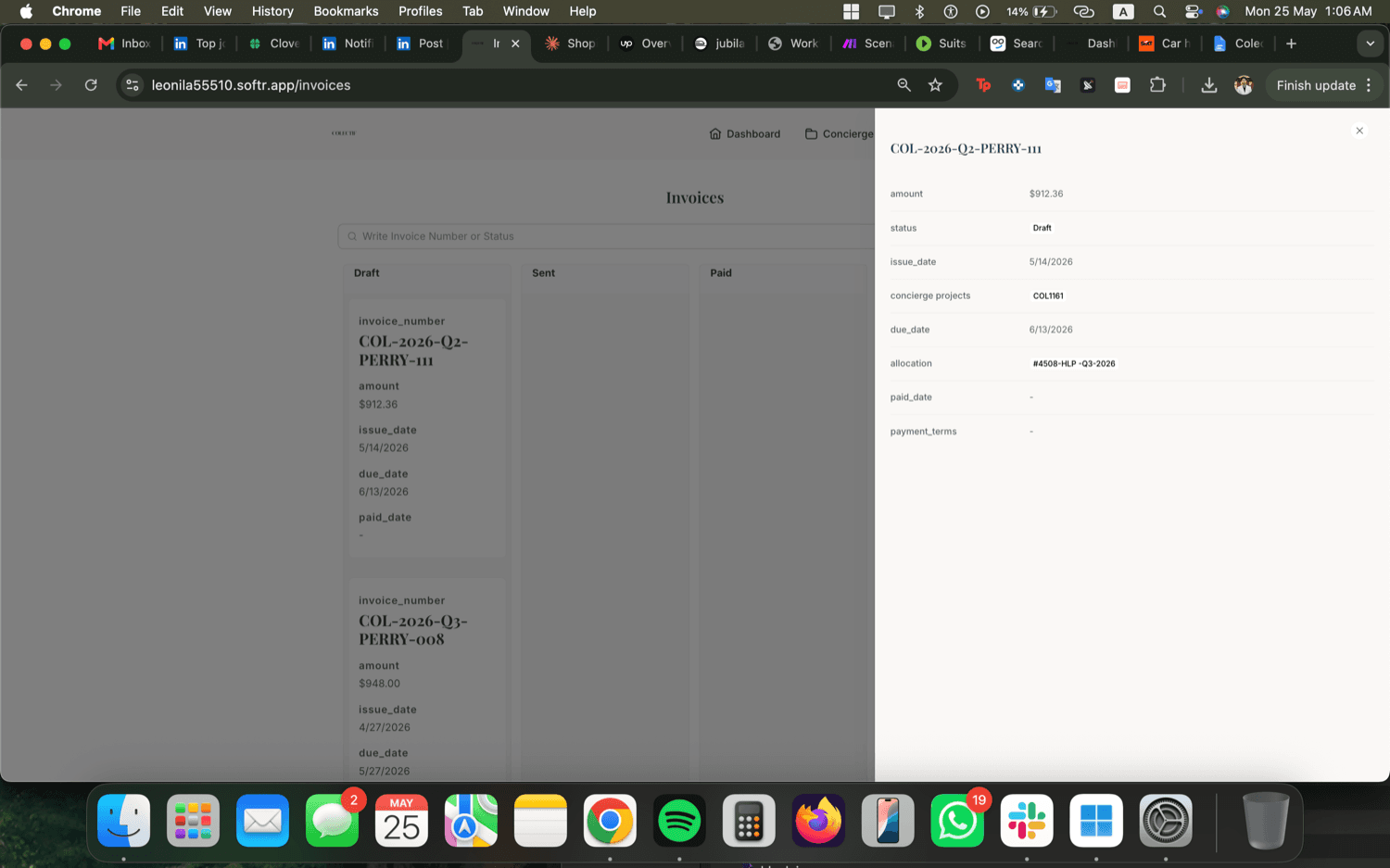
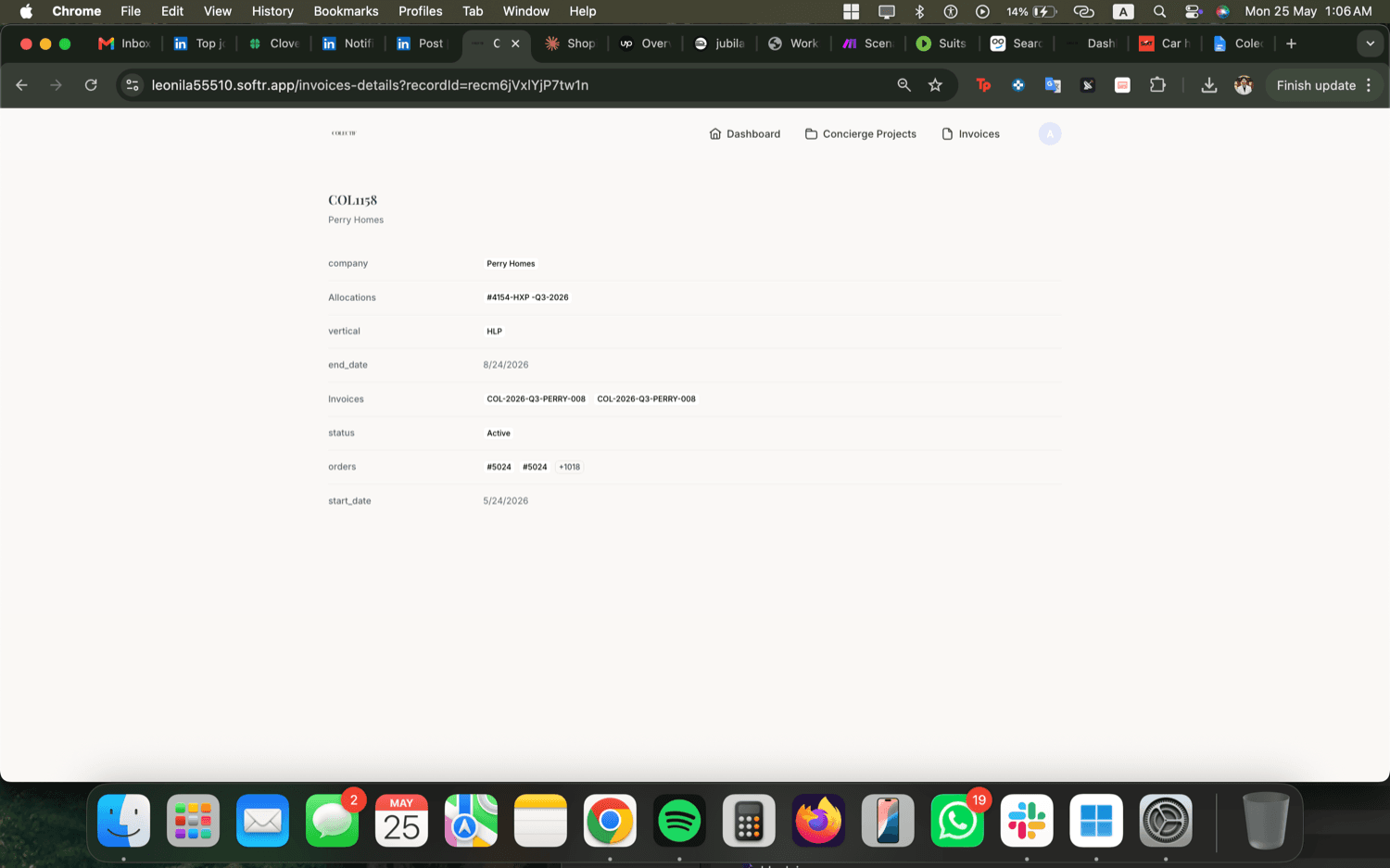
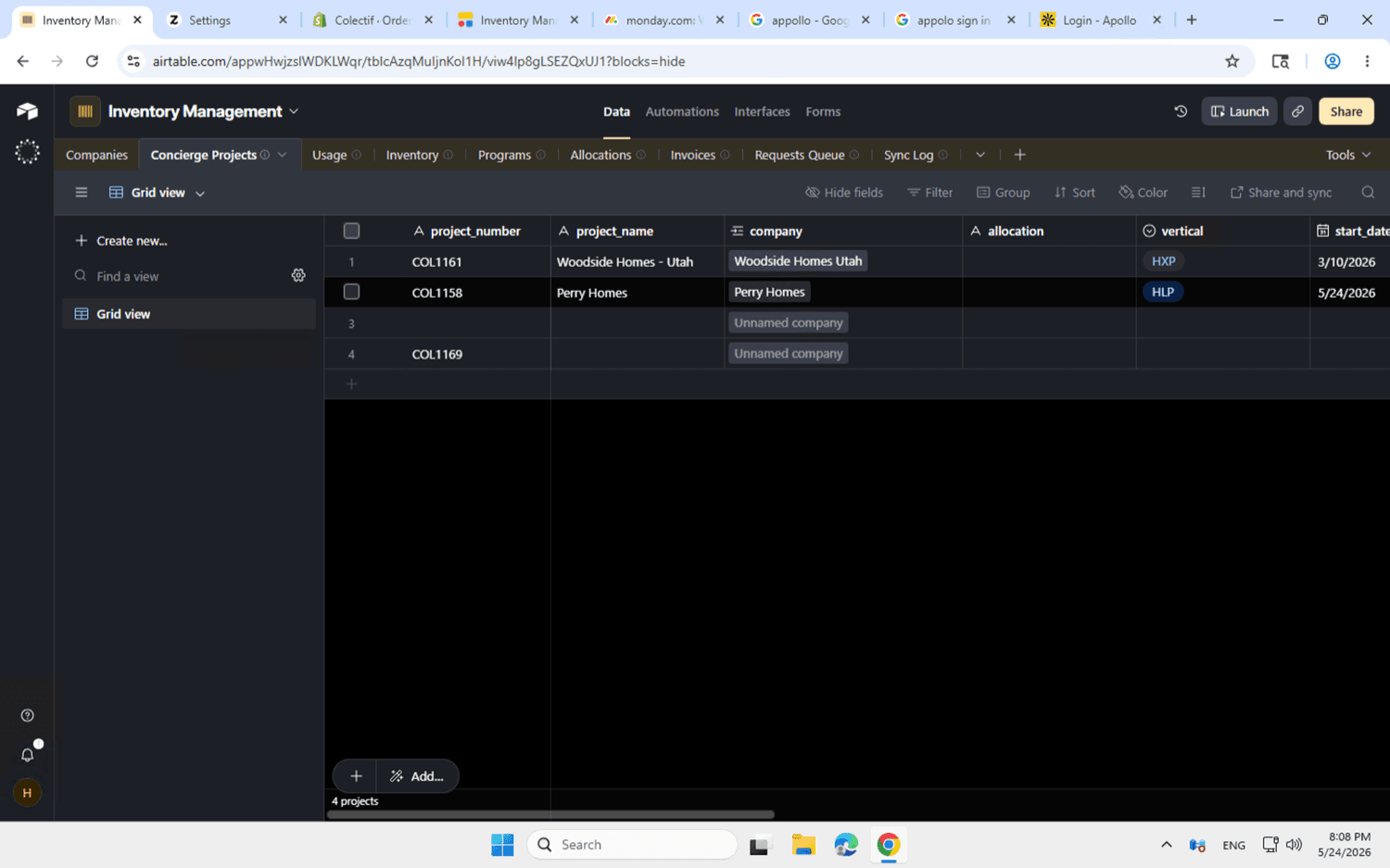
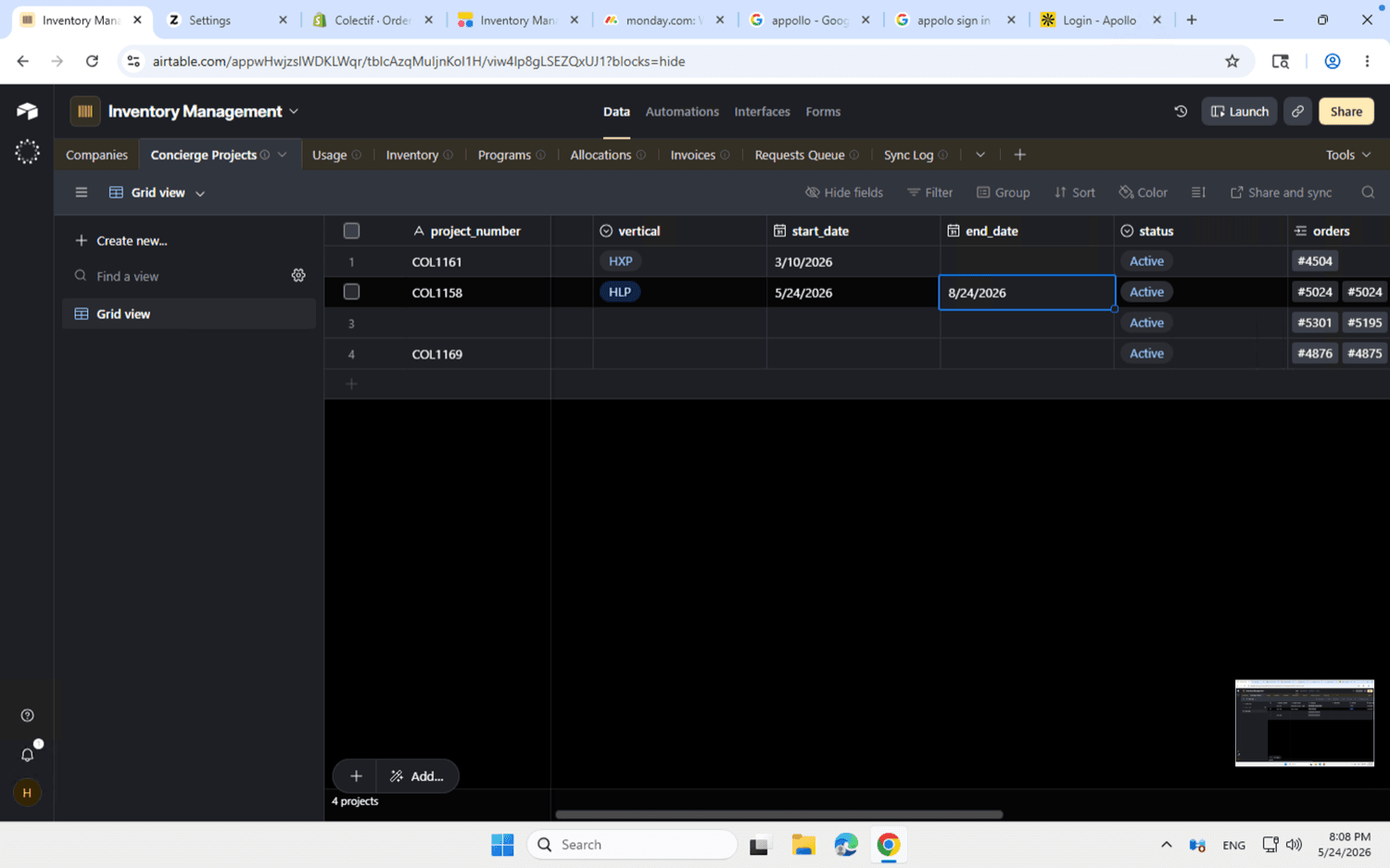
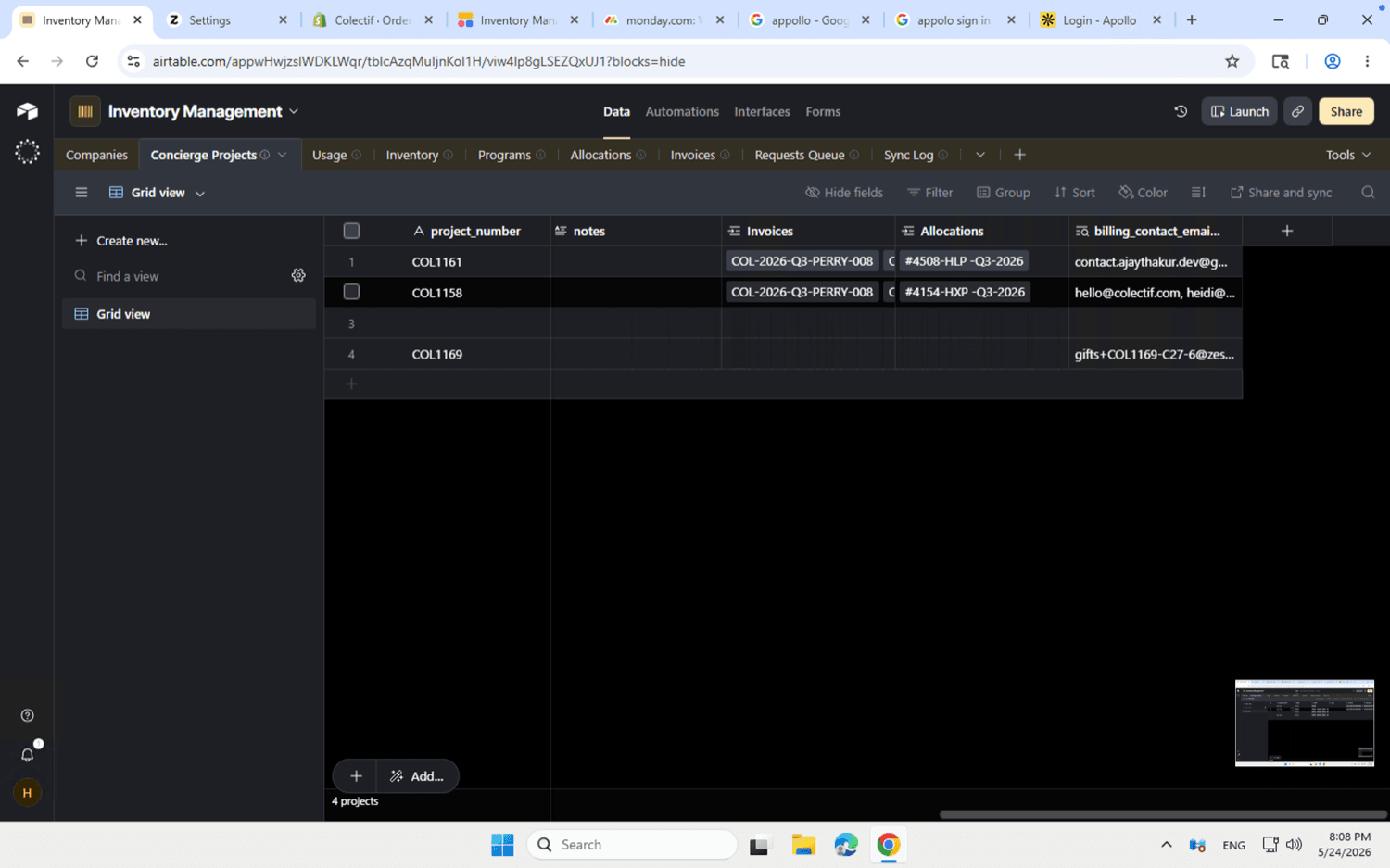
Architected a three-engine system: Sales Engine (Apollo → HubSpot → Monday), Revenue Engine (Shopify → Zoho Books → Airtable), and Delivery Engine (Airtable → Zest → Softr). Defined strict system boundaries, data ownership rules, and event-based synchronization flows to eliminate overlap between tools and ensure deterministic business logic across the stack.
Unified fragmented tools into a structured, scalable operating system for sales, revenue, and fulfillment.
Architecture
A simple operating path with explicit ownership.
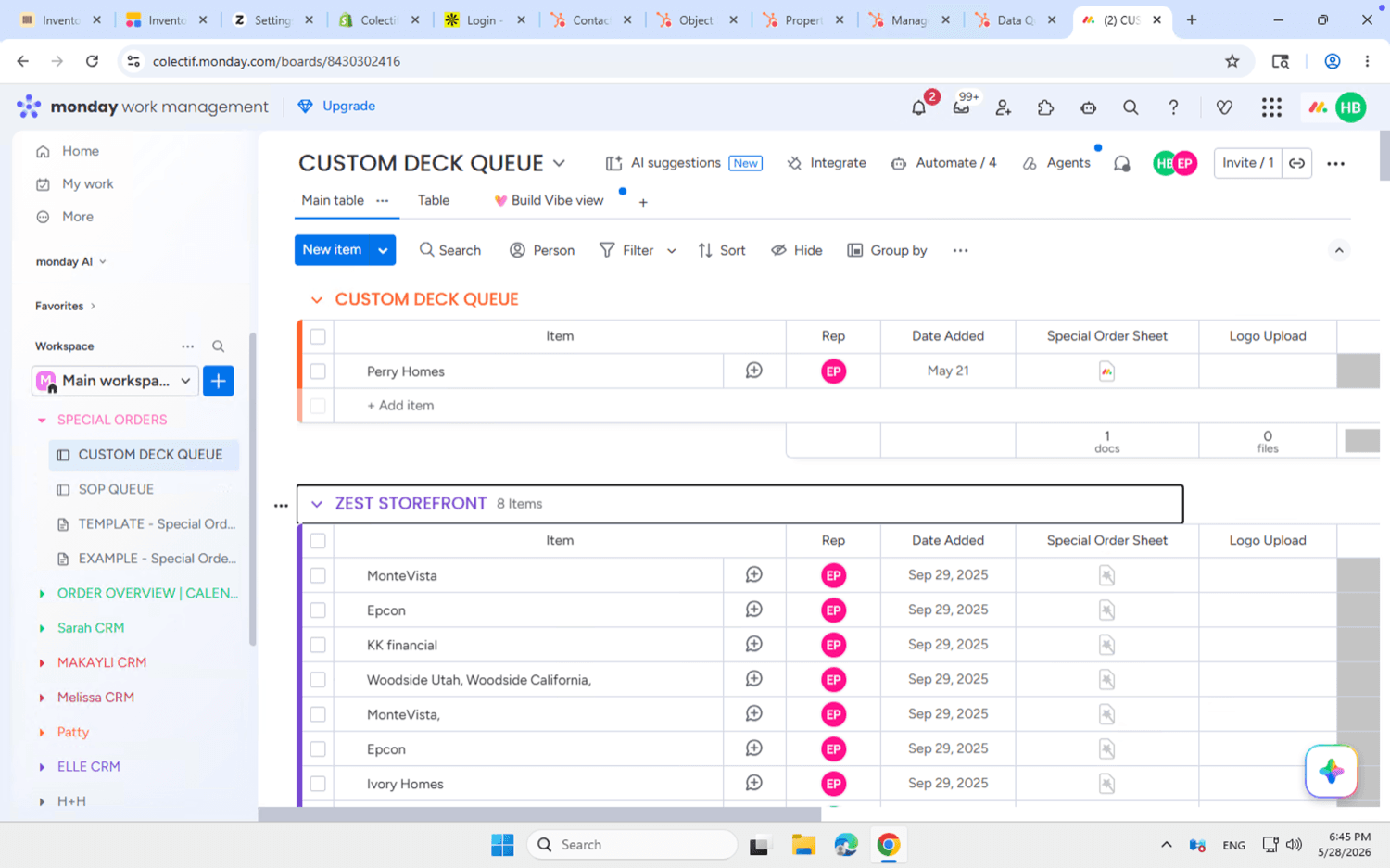
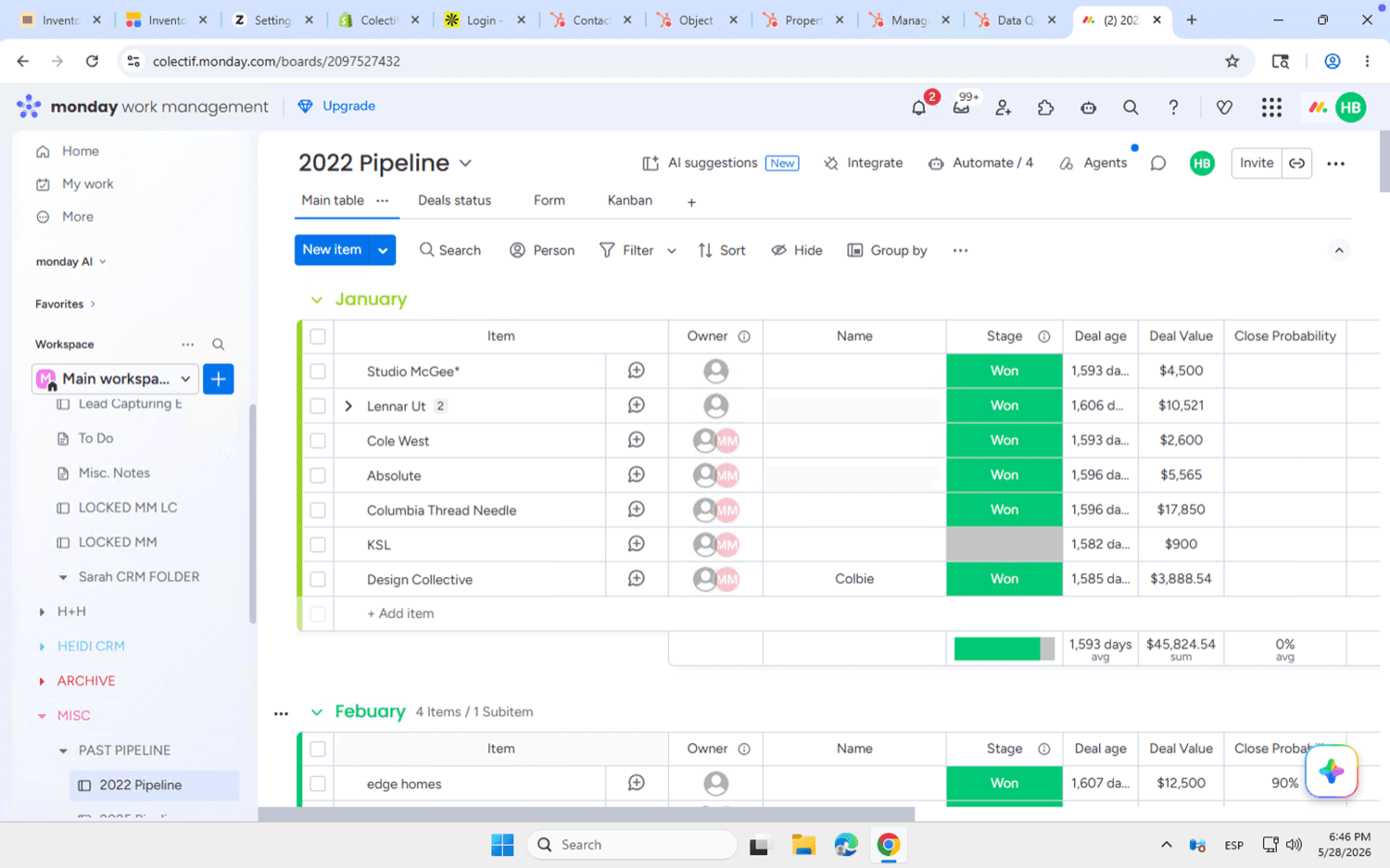
01Sales Engine: Apollo → HubSpot → Monday
02Revenue Engine: Shopify → Zoho Books → Airtable
03Delivery Engine: Airtable → Zest → Softr
04Event-based system synchronization layer
05Metafield-driven data modeling in Shopify
06Make-based automation layer
Challenges
- Preventing tool overlap and conflicting system responsibilities
- Maintaining data consistency across 8 platforms
- Designing deterministic automation flows
- Aligning sales, finance, and delivery systems into one model
Results
- Clear separation of operational responsibilities
- Reduced manual coordination across teams
- Improved visibility across sales-to-delivery lifecycle
- Scalable foundation for future product expansion
Tech Stack
Apollo
HubSpot
Monday.com
Shopify
Zoho Books
Airtable
Zest
Softr
Make.com
CRM Systems
Business Process Automation
Gallery